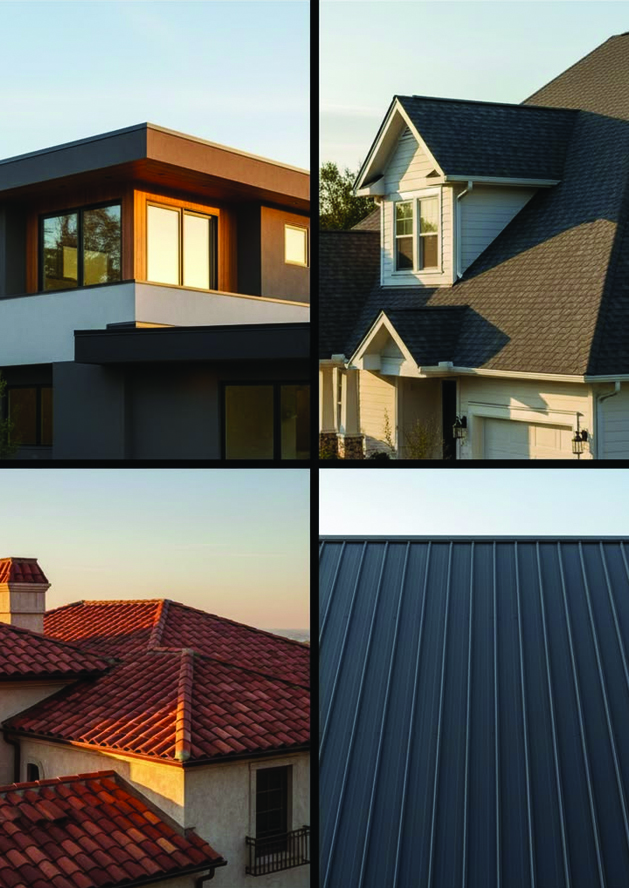
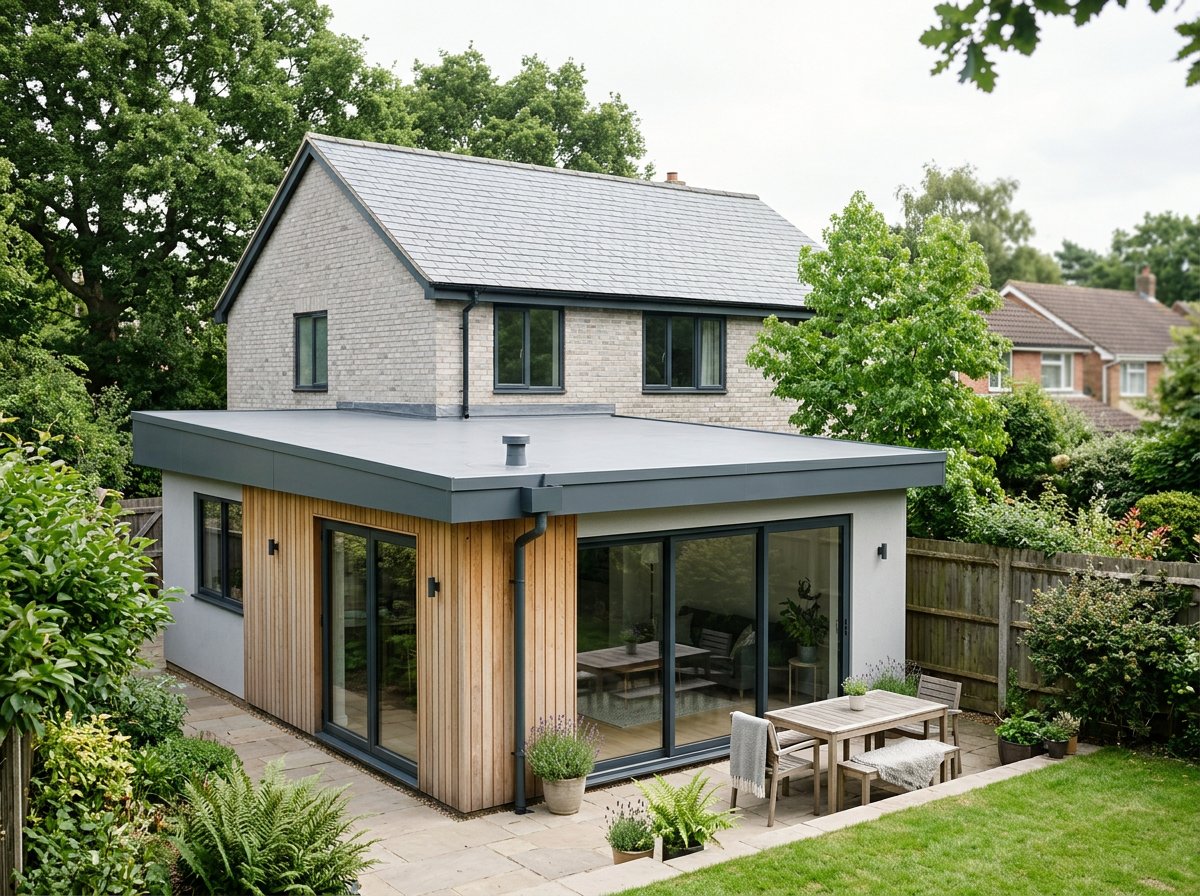
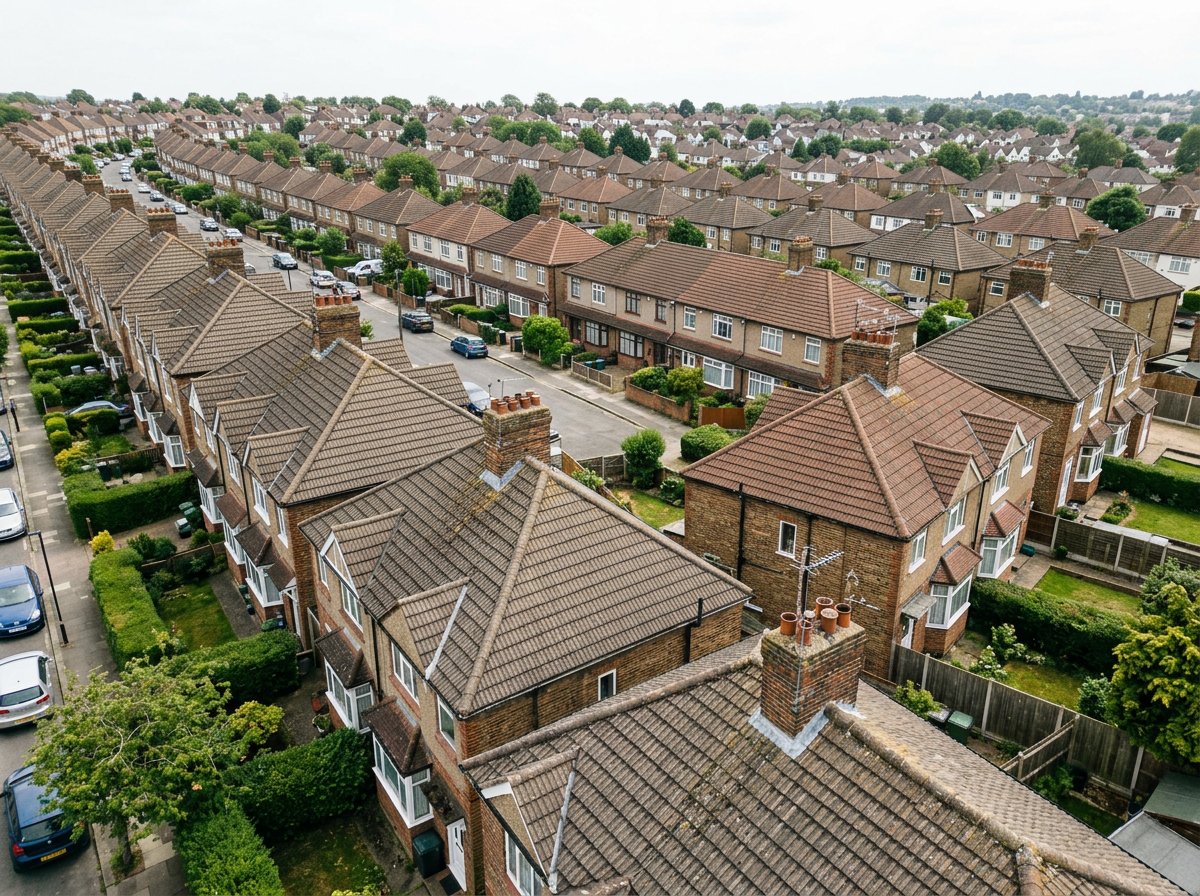
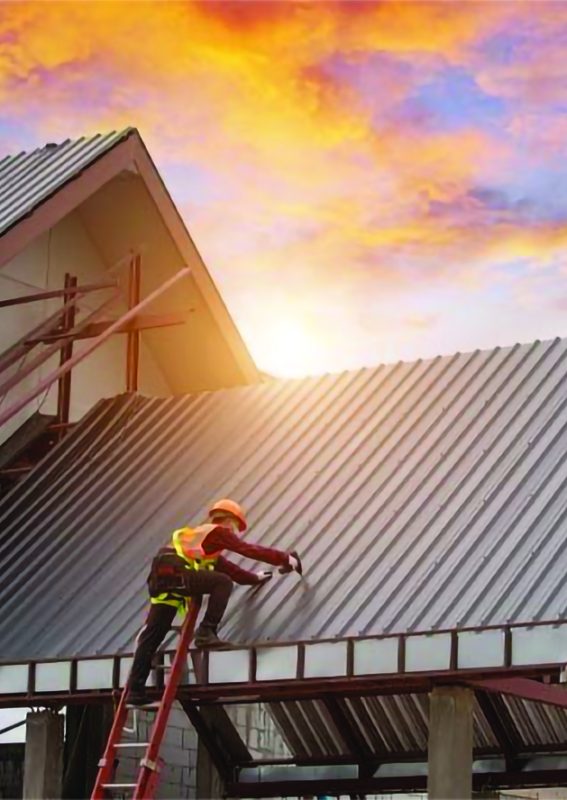
Pitched roofs are the recognisable UK classic: the slope sheds rainwater straight into the drainage system, and the frame accepts concrete tiles, clay tiles or slate. Their challenges live in the components — broken or slipped tiles, damaged flashing, blocked gutters, a tired underlay — and in wind, which lifts anything loose; inspection after bad weather is not optional. Flat roofs, common on extensions, garages and commercial buildings, carry a slight fall to move water away and rely on bitumen felt, single-ply membranes or liquid-applied systems; where drainage fails, water stands and stresses the whole system, so installation quality and detail work do the heavy lifting.
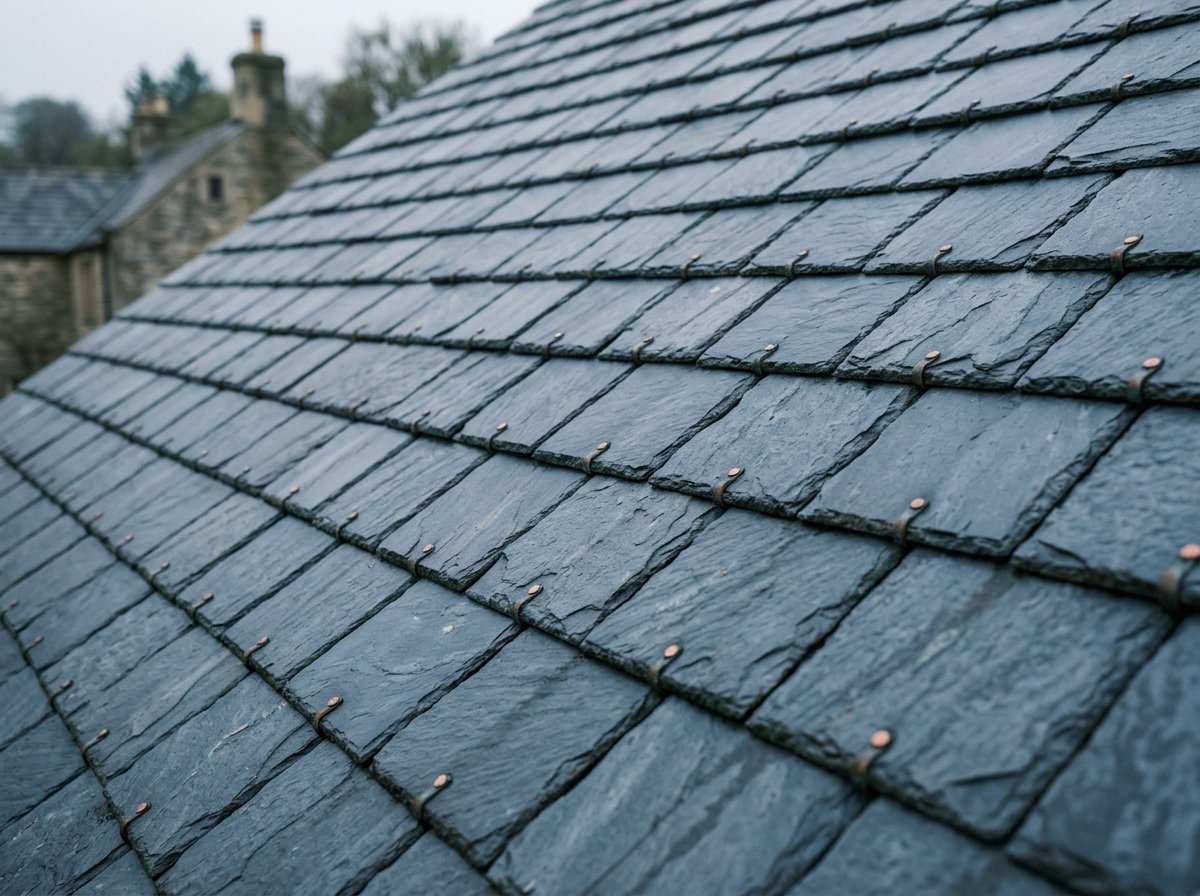
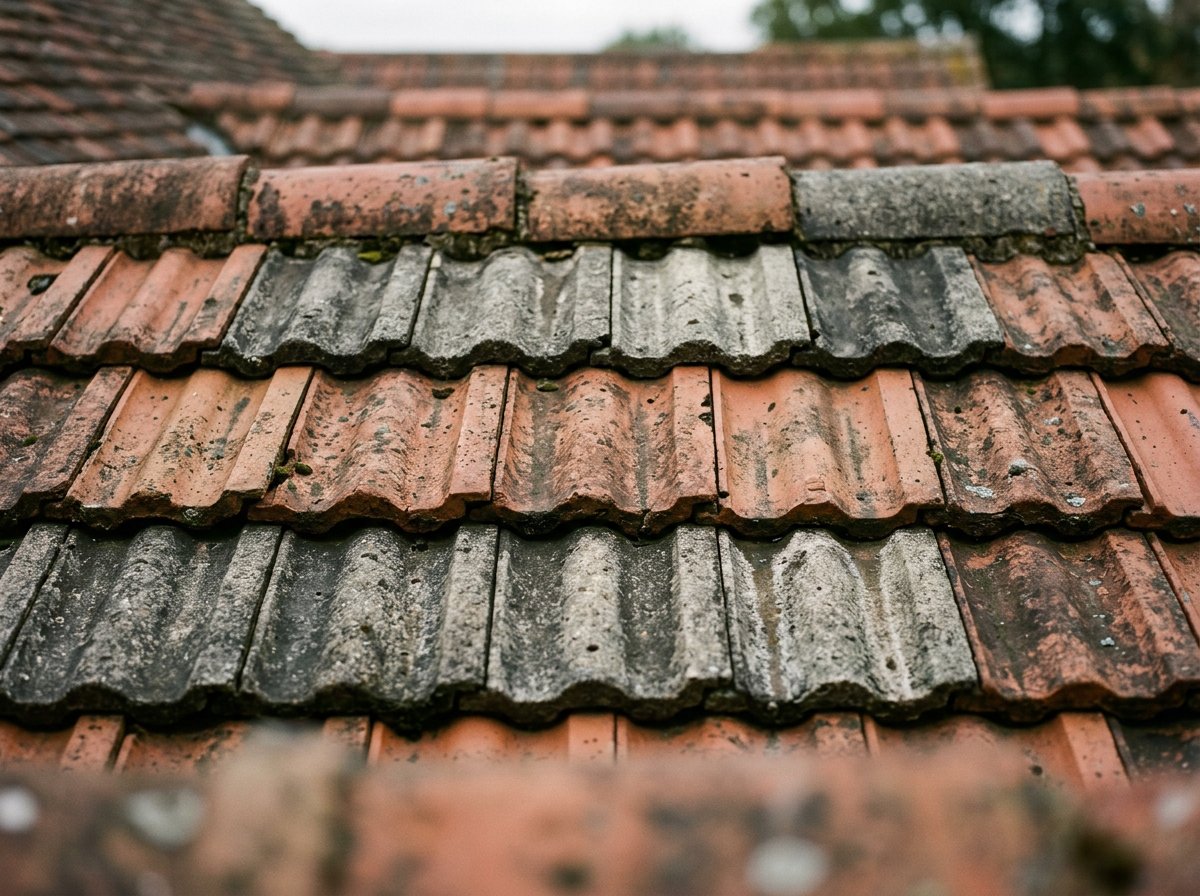
Tile roofs give durability and character in concrete or clay; a cracked tile can look minor yet wet the layers beneath, so repairs should consider the wider system, not just the visible damage. Slate offers a distinctive traditional finish and a long service life when correctly installed — but individual slates displace, fixings deteriorate, and any repair must match the existing slate, fixing method and construction. Felt and bitumen systems waterproof flat roofs effectively when well specified and installed; over the years exposure can bring cracking, blistering and failed joints, which is why catching early signs keeps small problems small. Green roofs return stormwater management, biodiversity and amenity — the benefits the Greater London Authority lists for London living roofs — in exchange for genuine, ongoing care.
What Wears a Roof Down
Water is the constant enemy. Blocked gutters, damaged flashing, poor drainage and deteriorated waterproofing all create routes into the building — which is why a roof should be judged as a complete system, not just the visible covering. Age does the rest: rain, wind, temperature swings and sunlight gradually affect every component, and older roofs need more frequent inspection, particularly where the condition of the underlying structure is uncertain.
Selecting the right materials is its own challenge. A product suited to a flat roof may be wrong for a pitched one, and projects differ in the membranes, underlays, tiles, fixings and insulation they require. For contractors, access to the correct supplies is often the difference between a straightforward installation and a compromised one.
Building Regulations: Check Before You Start
Roofing work can carry regulatory weight. In England, building regulations cover construction and extensions, and official guidance notes that approval may be required for certain alterations — including the replacement of roof coverings on pitched and flat roofs. That approval is separate from planning permission, so establish what applies to your project before work begins; it matters most on substantial alterations rather than simple maintenance.
"There is no universal 'best' roof — the right choice depends on the building, the climate and the long haul."